


Poured quickly, delivered faster – that’s how it works!
Fast Cast components including mechanical processing? When 9 weeks delivery time is not an option, CASTFAST delivers in record time
Fast Cast components including mechanical processing? When 9 weeks delivery time is not an option, CASTFAST delivers in record time
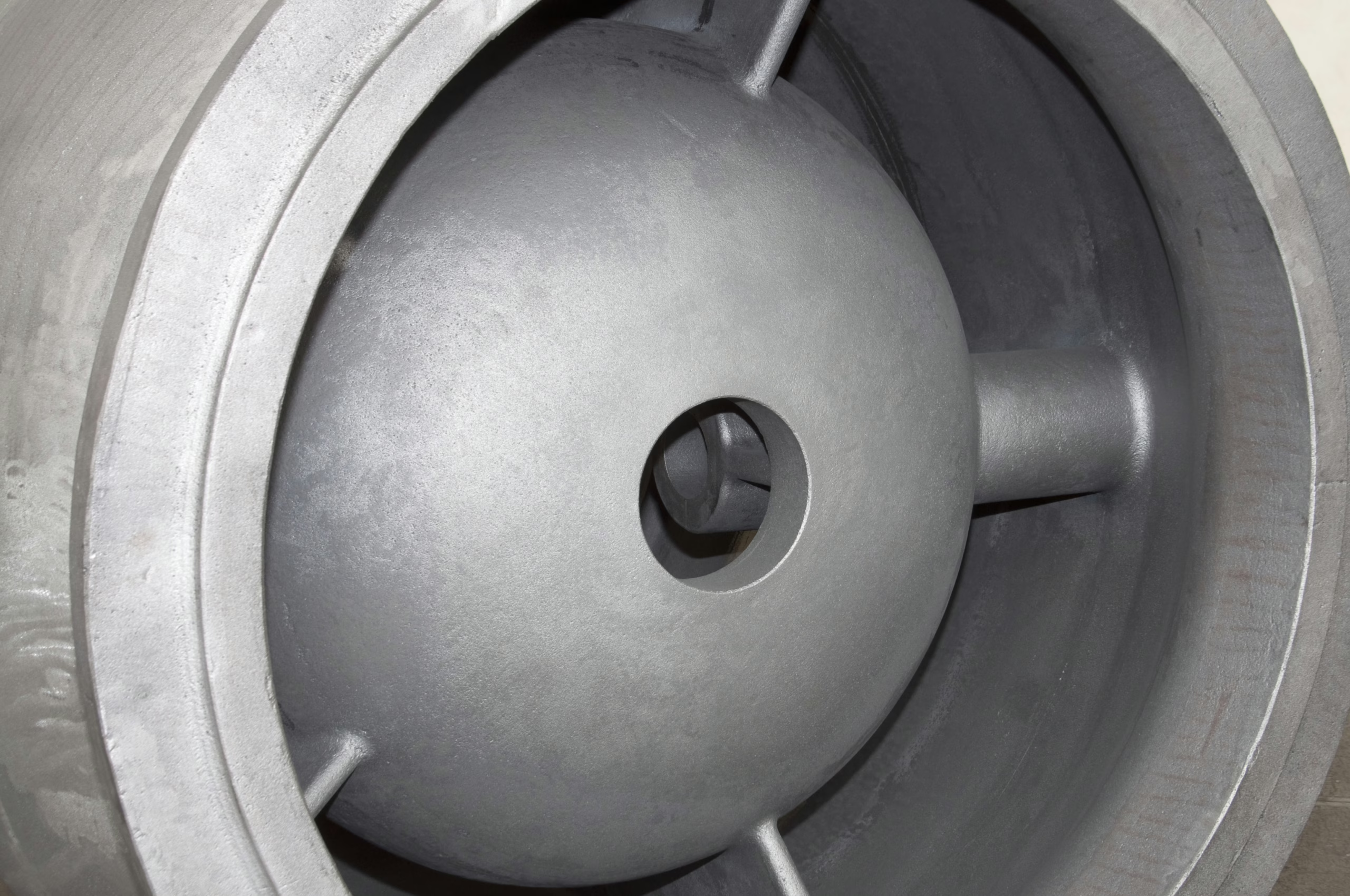
Now also Large castingsWith the full CASTFAST power! Whether prototype or small series – CASTFAST now offers large castings for
The techno-economic analysis quickly finds the right answer! New developments in the production and procurement of castings are making castings
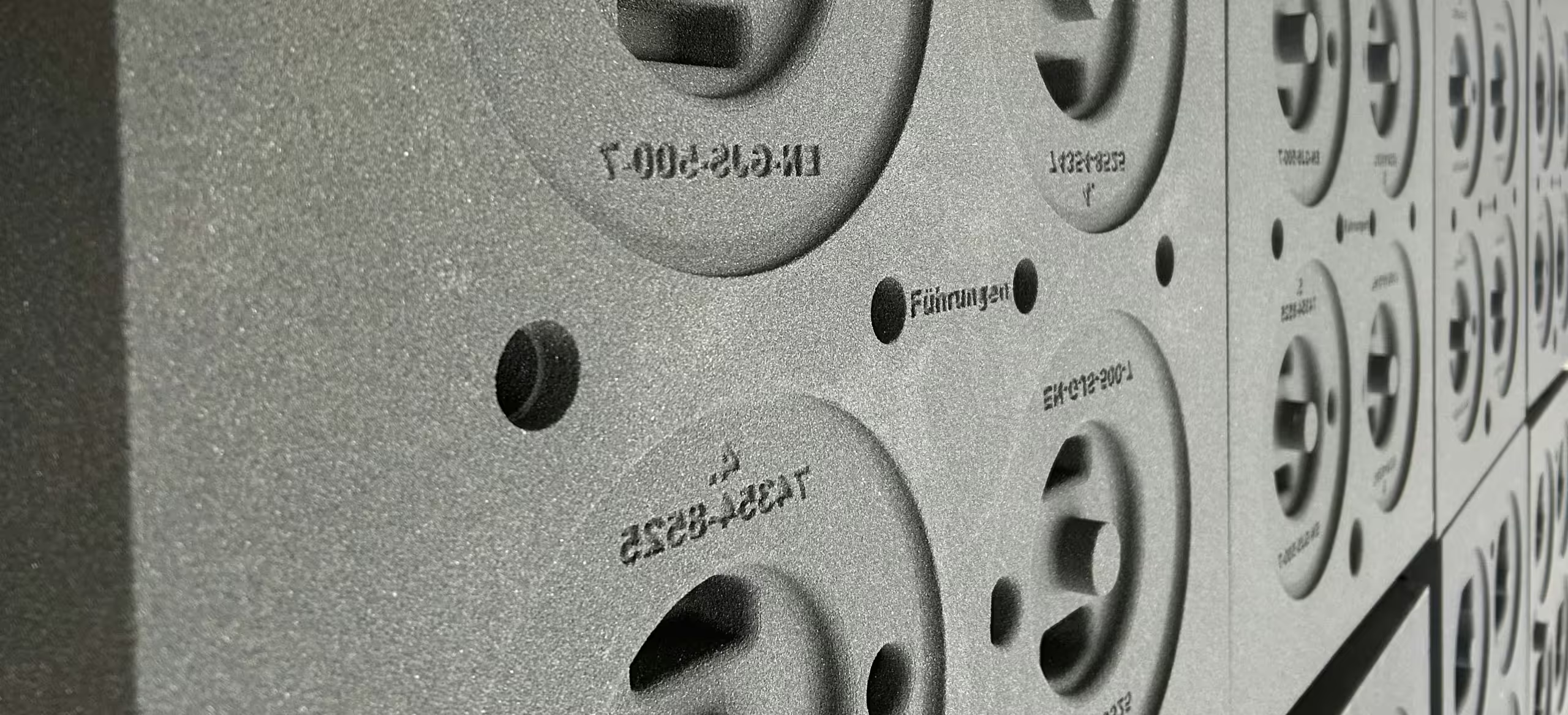
What kind of orders are currently running on the CASTFAST platform? Four live examples from production show 3D sand printing in action.
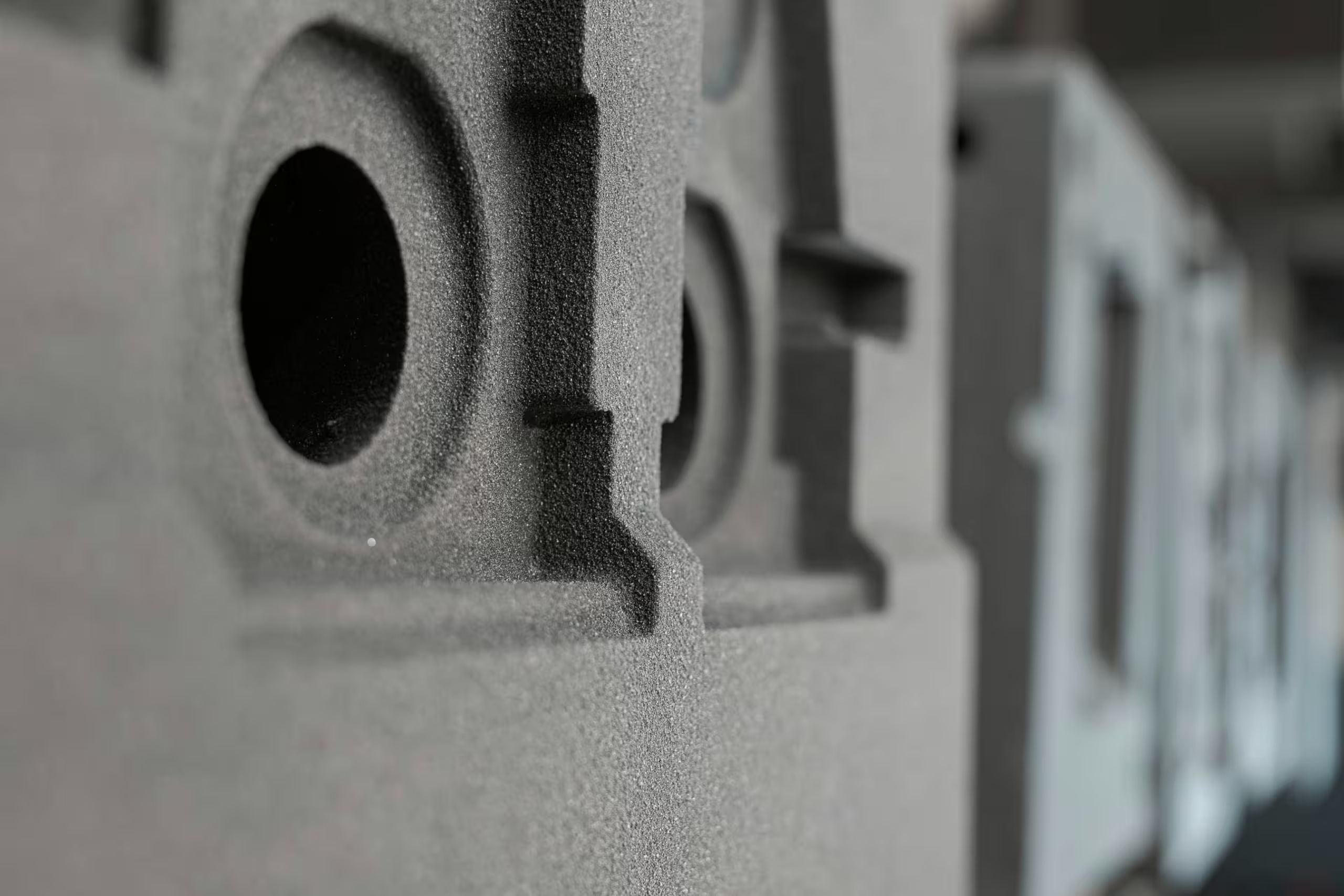
Guidelines and tips from the CASTFAST team to help foundries successfully design sand molds for 3D sand printing.
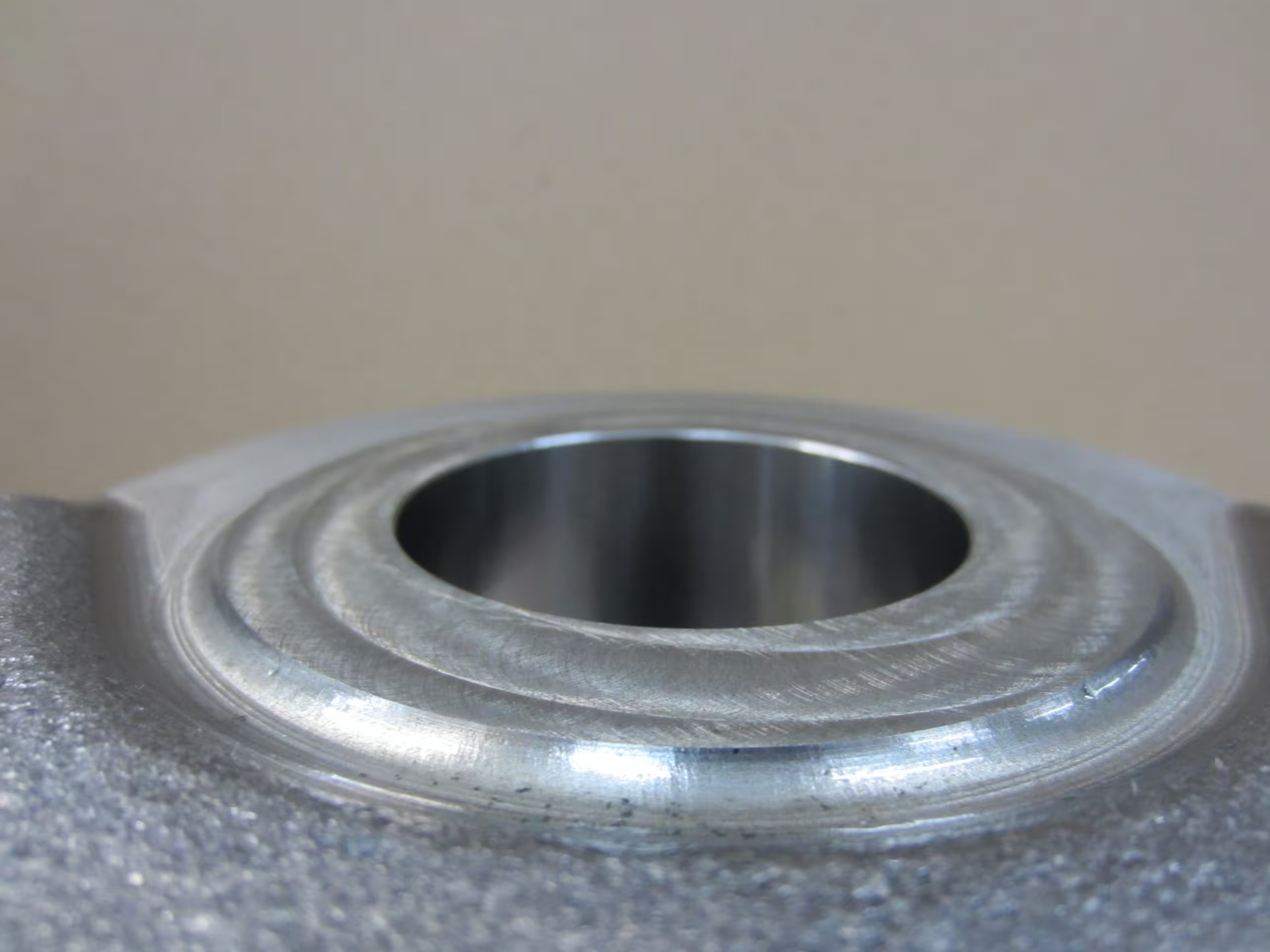
CASTFAST’s first casting order with machining! The machining partner for the first two castings with machining was invenio in Nauheim.
A critical spare part for a cooling water pump used in a German power plant could no longer be obtained from the original manufacturer. Drawings or even a model for the ultra-complex cast part (guide vane housing, pump built in 1971) were also no longer available. Thanks to the combination of precision measurement and model-free casting (3D sand printing), the pump component could still be manufactured. And next time it will even be possible at the touch of a button.

CASTFAST has brought Rahul Prasad into the team as Chief Technology Officer (CTO). Rahul joined us in Mainz in January after five years at Monitizer, the Munich-based IIoT business of Norican Group, where he was most recently Head of AI & IoT. At CASTFAST, Rahul will accelerate the expansion of our platform and provide our end customers, as well as connected foundries and partners, with an ever faster, ever better process.
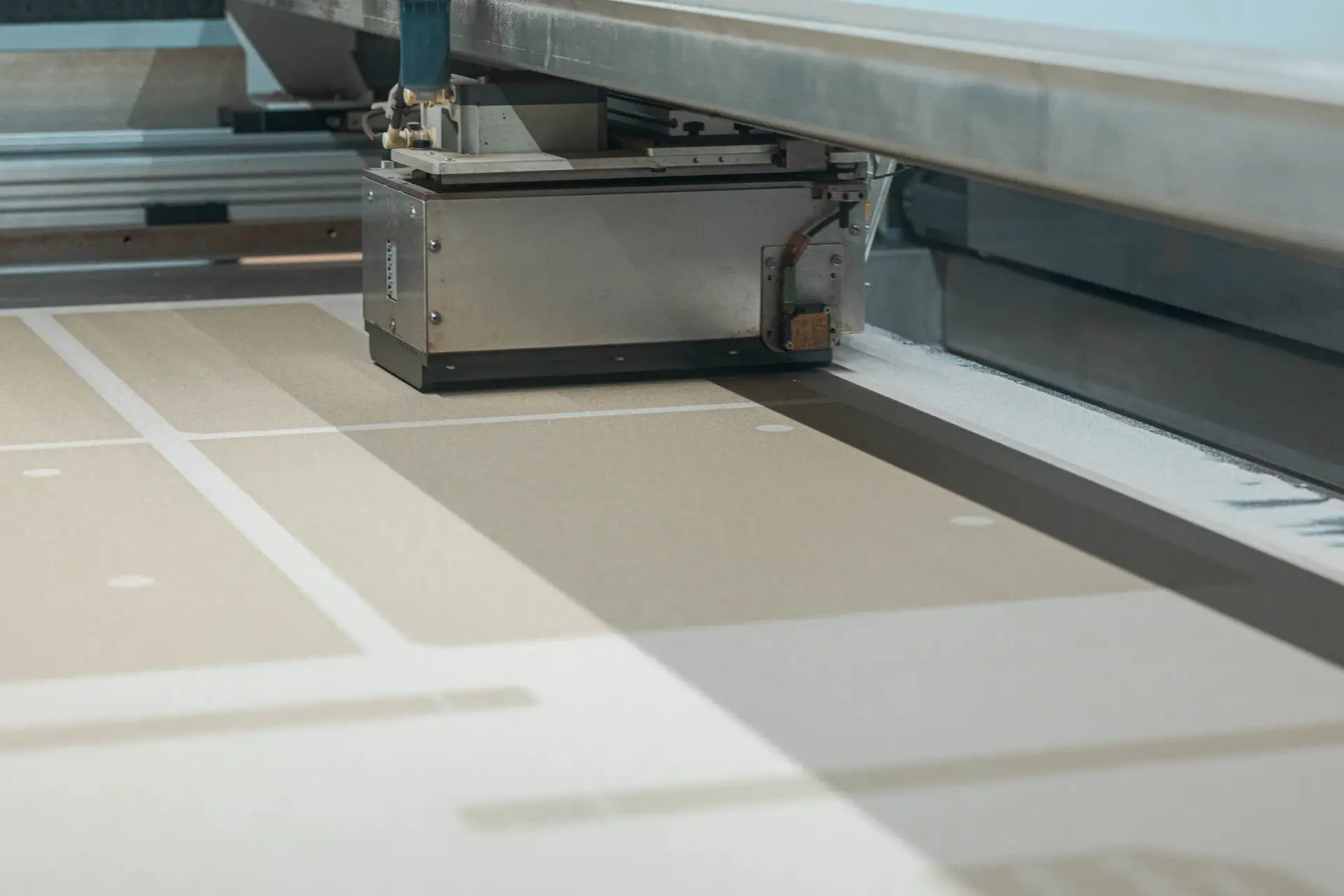
You don’t need a black belt in lean management to know that waste is not a good thing. Using the classic typology of waste types from lean theory, we briefly show here how 3D sand printing makes casting more sustainable.
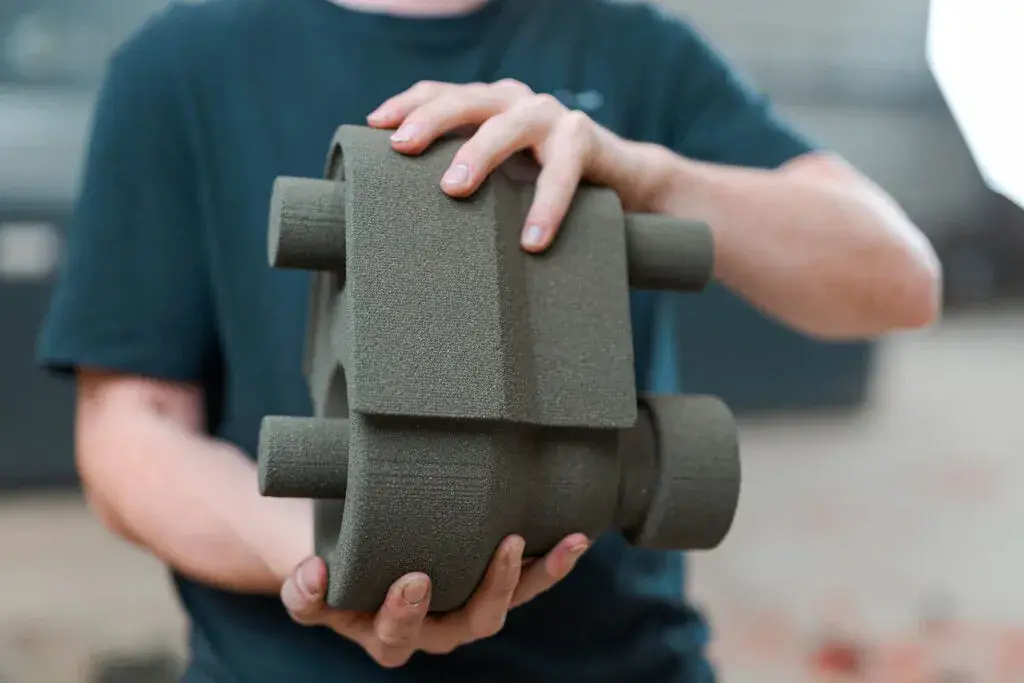
Discover how 3D sand printing in casting design overcomes traditional limitations and enables complex, cost-effective designs. Learn more about the benefits of this innovative technique, from print-ready core packages to unlimited design freedom.
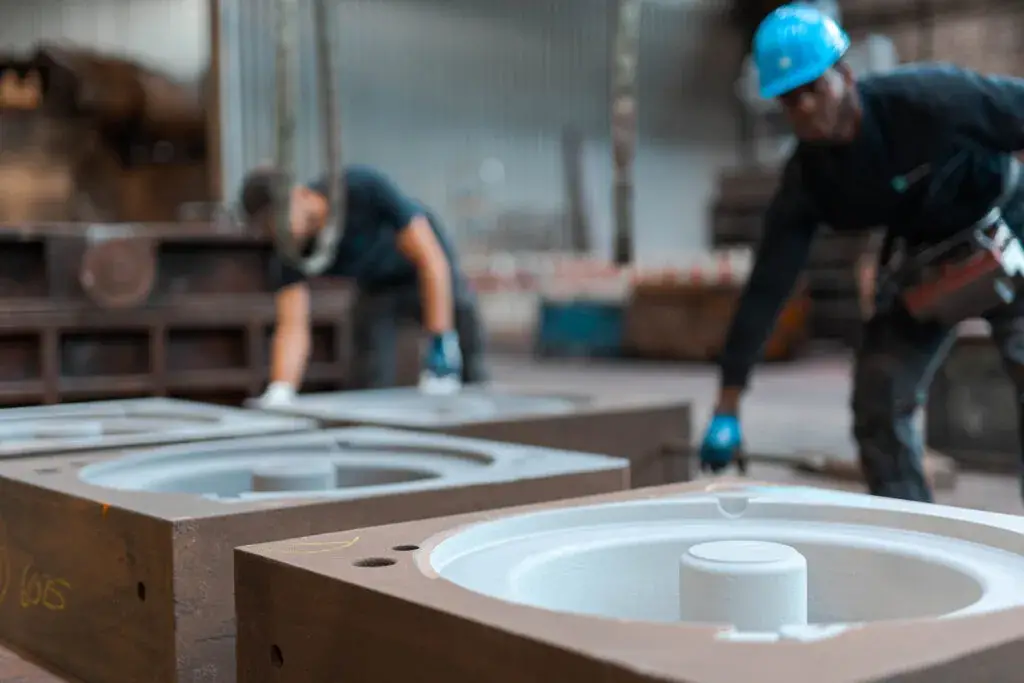
Nowadays, anyone who needs cast parts as spare parts has several options to avoid these problems. A good understanding of all the possibilities helps in an emergency, but also simply in selecting the best process for the respective application.
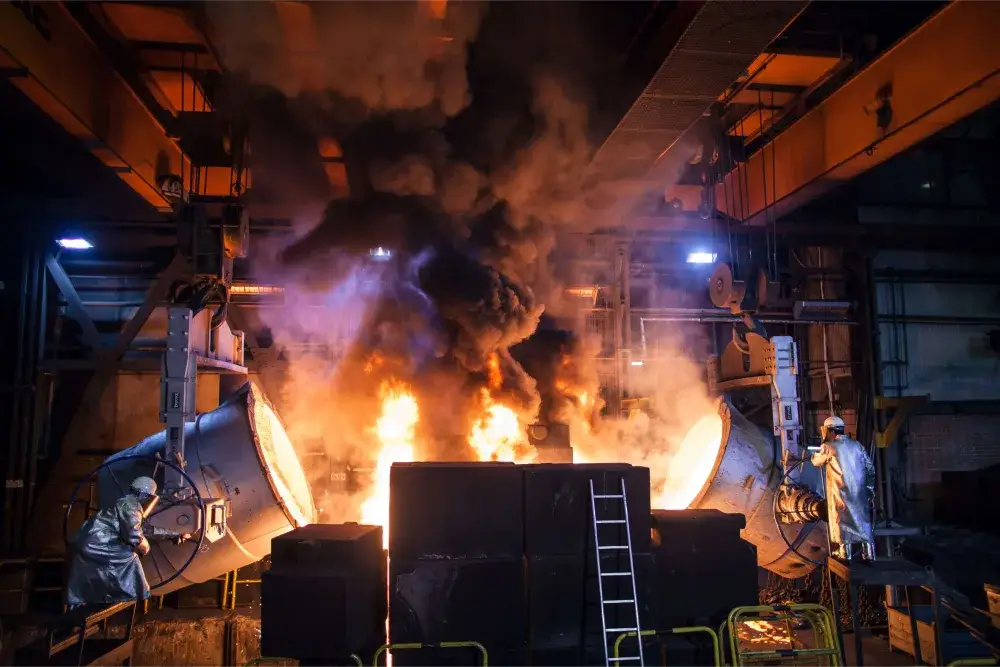
Rapid casting procurement is often still based on long-term relationships with suppliers and good preparation. When something unforeseen happens and it has to be done quickly, the disadvantages of traditional casting with a wooden model become a problem.
3D sand printing can step in in such situations. Here are three examples from CastFast production where Printed Casting has helped customers out of a tight spot and made the impossible possible.

Behind CASTFAST is a small team that has developed the platform from an idea to a successful model over the last two years – and has big plans.
Here we talk to Marcel Tschillaev, who has been with us from the start and is now head of 3D printing production at our first affiliated foundry, Römheld & Moelle.
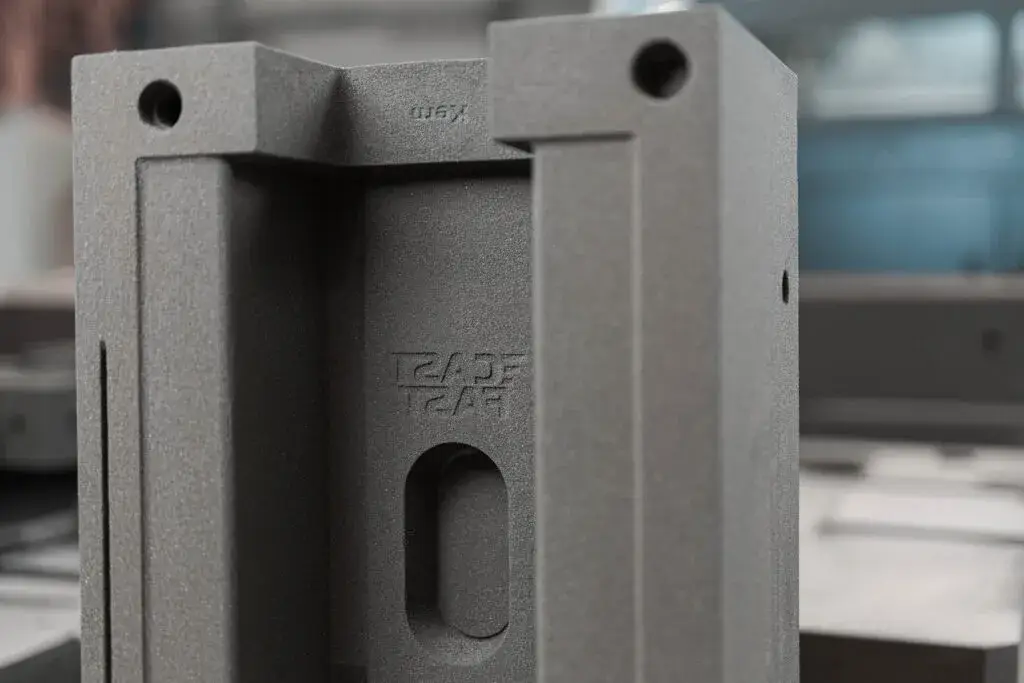
3D sand printing combines additive manufacturing technology with traditional sand casting, creating shortcuts in casting production.
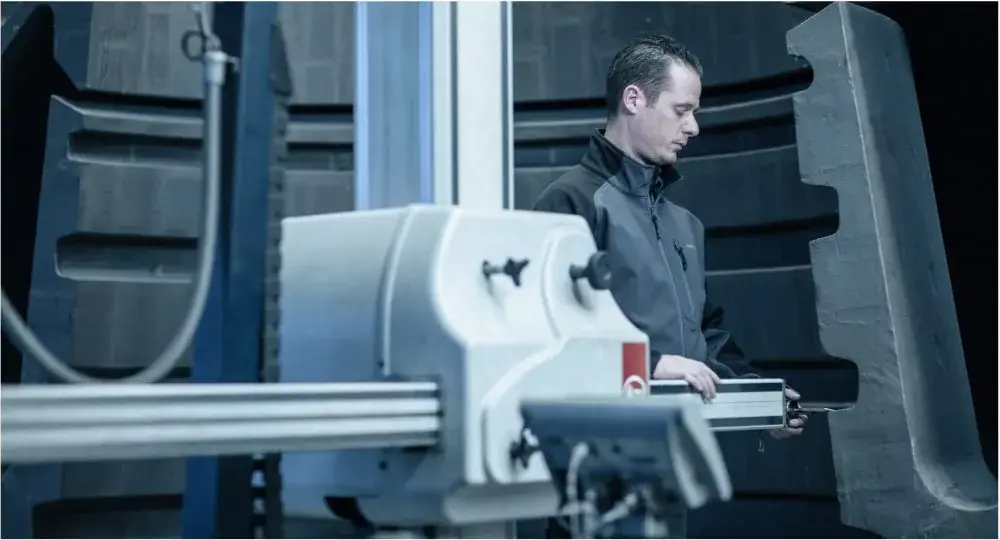
Casting, testing, modifying, casting, testing. Thanks to 3D sand printing, it is suddenly much easier to produce and refine prototypes as castings. Not only because the elimination of lead times and model costs of the “printed casting” process makes the whole thing faster and more affordable.
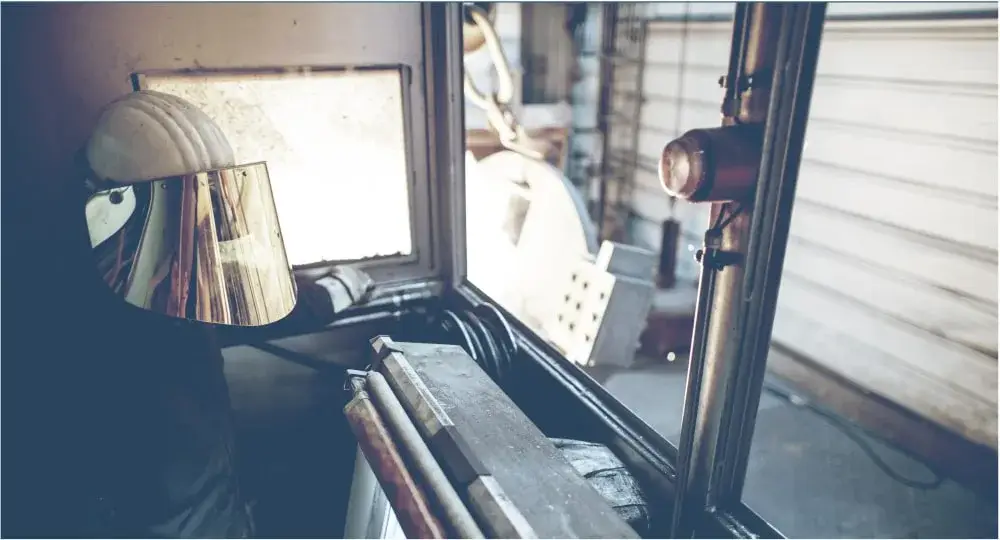
3D sand printing creates flexibility in casting procurement where previously there was none. Quickly insert a small series before the large series while the models are being built? Bridge a delivery bottleneck? Order a rarely required casting only when it is actually needed? No problem with Printed Castings.
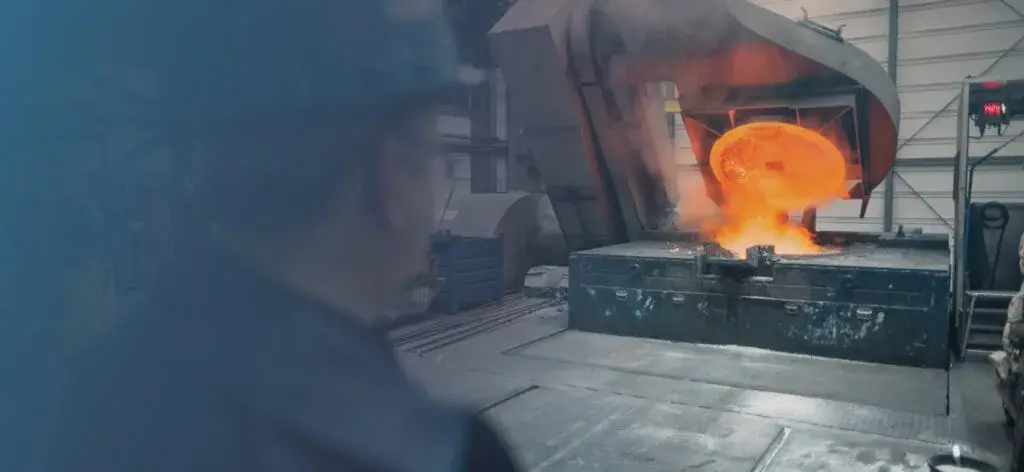
The principle and advantages of 3D printing no longer need to be explained to anyone.
The technology has long been associated with more than just prototypes and non-critical individual parts. High-performance metal components are now also routinely produced using additive manufacturing. However, this is still only economical for smaller quantities.